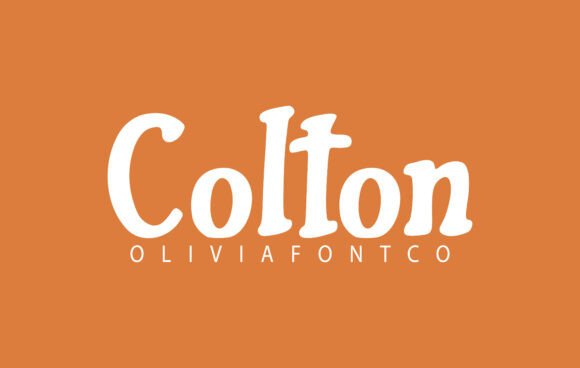
Colton Font: A Romantic Handwritten Touch for Your Creative Projects
Where Can I Use Colton?
Colton is incredibly adaptable. Here are some real-world examples of how I've used it in my own shop:
- Candle Labels: I used Colton to create labels for my soy candles. The font adds a personal feel that complements the natural, earthy tones of the wax.
- Greeting Cards: For birthday and thank-you cards, Colton adds a handcrafted look that feels genuine and heartfelt.
- Wedding Invitations: I designed a few custom wedding stationery sets using Colton as the main text. It gives a timeless, elegant vibe that works well with both rustic and modern themes.
- Printable Wall Art: Colton pairs beautifully with minimalist backgrounds, making it ideal for creating printable wall art or decorative signs.
- Boutique Packaging: I've used it on product tags and packaging for small gift items. It adds a stylish touch without overwhelming the design.
- Seasonal Tags: From holiday tags to farmhouse-style signs, Colton brings a consistent and appealing look to seasonal products.
- Digital Templates: Colton is great for digital downloads, especially for planners, social media graphics, and printable templates.
How Does Colton Impact My Brand?
Using Colton has helped me build a stronger brand identity. It’s a font that conveys quality and care, which aligns perfectly with the values of my handmade shop. Customers often comment on the aesthetic appeal of the fonts I use, and it helps them connect emotionally with the products they buy.
Consistency is key in branding, and Colton helps maintain that. Whether it’s on a label, a card, or a sign, the same font creates a sense of familiarity and trust. This consistency also helps with customer recognition, making it easier for them to remember and return to my shop.
Readability and Practical Tips
While Colton is beautiful, it's important to consider readability, especially when using it on small elements like stickers or product tags. Here are a few tips:
- Test on Small Sizes: Make sure the font remains legible when scaled down. I always test Colton on small stickers before printing to ensure clarity.
- Use It for Short Text: Colton works best for short phrases, names, titles, and decorative wording. It's not ideal for long paragraphs or dense text.
- Pair Thoughtfully: When combining Colton with other fonts, choose a clean sans serif or simple serif font for balance. This ensures the design remains cohesive and professional.
- Check File Formats: Always verify that the font includes all necessary styles, weights, and file formats (like OTF or TTF) before selling physical products or digital templates.
- Consider Licensing: Make sure you have the proper commercial font license if you plan to sell printables, SVG designs, or merchandise.
Colton in Action: Real Projects
I recently created a set of farmhouse-style signs for a local boutique. Using Colton for the text gave the signs a nostalgic, hand-painted feel that matched the store’s aesthetic. Another project involved designing a line of planner pages. Colton added a personal touch to the notes section, making the planner feel more like a keepsake than just a tool.
For a holiday collection, I used Colton on tags and wrapping paper designs. The font added a festive yet elegant look that customers loved. I also tested it on mugs and tote bags, where it worked well with minimalistic designs and bold color schemes.
Final Thoughts on Using Colton
Colton is more than just a font—it's a creative companion that brings warmth, personality, and charm to every project. Whether you're crafting labels, designing invitations, or creating digital templates, Colton has the potential to enhance your work in meaningful ways. With its versatility and emotional appeal, it's a valuable asset for any handmade creator looking to stand out in a competitive market.